 Skip-the-line available
 The Best Time to Visit Angkor Wat
Season by season, and the best time of day — how to pick the right month and the right morning for Angkor and its famous sunrise.
Angkor rewards good timing more than almost any monument, because two things shape the experience above all: the weather and the hour. The site is vast, open and hot, the sunrise is famously crowded, and the difference between a clear November dawn and a hazy April midday is enormous. Because the Angkor pass is open-dated — you choose your own days within its window — you have real freedom to plan around the season, the crowds and the morning forecast. This guide breaks down the seasons, the daily rhythm of heat and light, and how to use the open-date pass to see Angkor at its best.
Season by Season
The cool, dry season from November to February is the most comfortable time to visit Angkor and, unsurprisingly, the most popular: clear skies, lower humidity and temperatures that make full days among the temples bearable. It is the prime season for the classic sunrise, with the best chance of a clear, colourful dawn — and also the busiest, so early starts matter. December and January are the peak of the tourist year. If your priority is comfortable weather and reliable sunrise light, this is the window to aim for, accepting that you will share the famous viewpoints with more people.
March to May is the hot season, when temperatures climb steeply and midday among the unshaded ruins becomes genuinely punishing — manageable with early starts, long midday rests and plenty of water, but demanding. The wet season from June to October is underrated: short, heavy afternoon downpours give way to dramatic skies, the surrounding forest turns vivid green, the moats and reflecting pools fill, and crowds thin noticeably. Mornings are often clear enough for sunrise before the afternoon rain. For green landscapes, full pools and fewer people — and lower prices in Siem Reap — the wet season has real appeal for flexible travellers.
The Daily Rhythm: Heat, Light and Crowds
Within any day, plan around the heat and the light. The early morning, from sunrise to mid-morning, is the coolest and most beautiful time among the temples, with soft light on the stone and the day's crowds still thin away from the sunrise viewpoint itself. The midday hours are hot, bright and harsh, with flat light for photography — the time to retreat to shade, lunch, or an air-conditioned break in Siem Reap. The late afternoon cools again and brings warm, golden light that flatters the Bayon's faces and the temple-mountains; sunset from Phnom Bakheng or Pre Rup is a popular close to the day, though Bakheng in particular gets crowded.
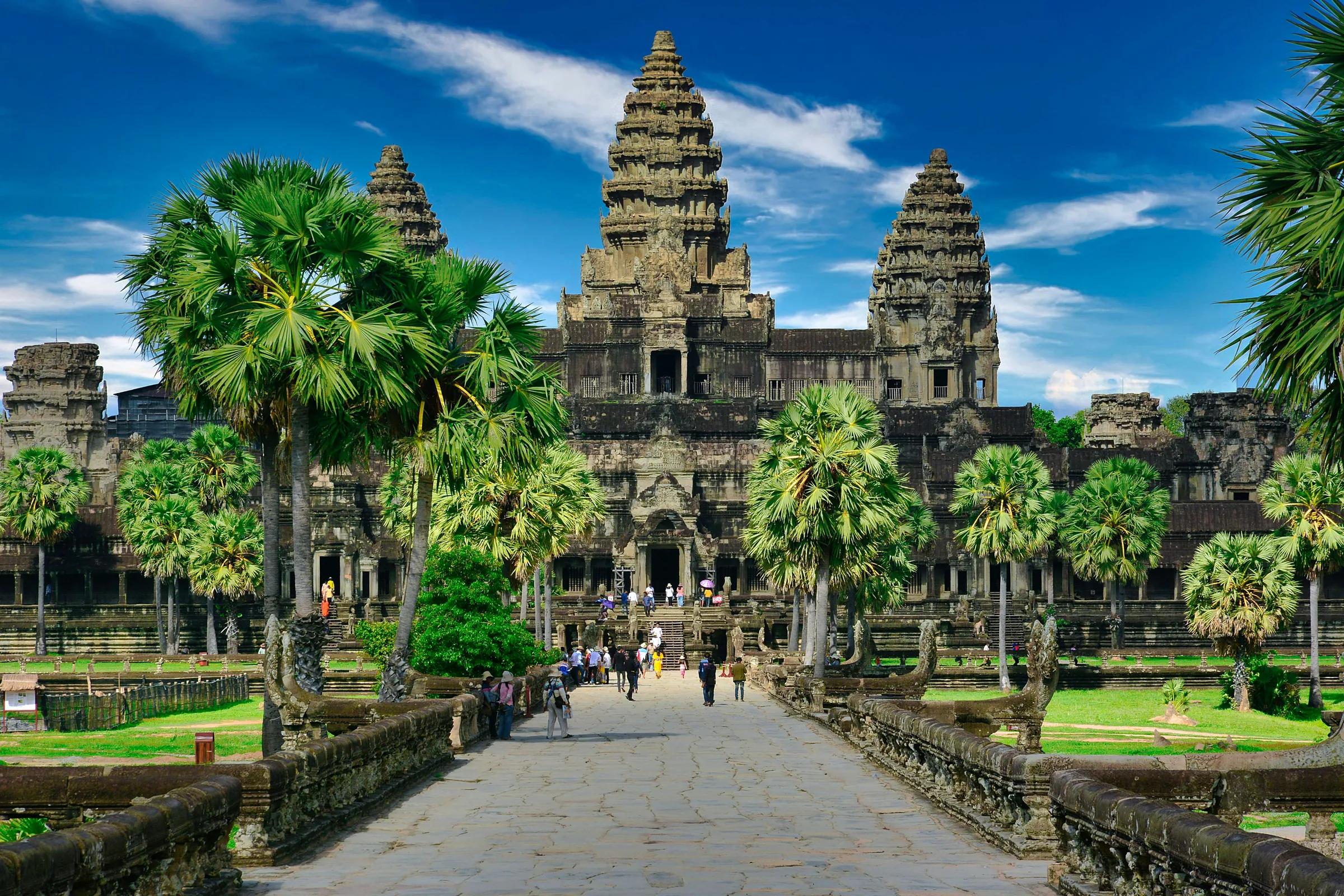
Sunrise at Angkor Wat deserves its own planning. It is the single busiest moment in the park, with crowds gathering at the reflecting pools well before dawn, so arrive early to claim a spot — or choose a quieter vantage and trade the textbook reflection for room to breathe. Because the pass is open-dated, you can pick a morning with a clear forecast rather than gambling on a single pre-booked date, which matters greatly when overcast skies can mute the colour entirely. Many visitors do sunrise once, then prioritise the cooler early hours at other temples on subsequent days rather than repeating the crush.
Using the Open-Date Pass to Time Your Visit
The open-date structure of the Angkor passes is a genuine planning advantage. The 1-day pass is for a single day of your choosing; the 3-day pass can be used on any three days within a 10-day window; and the 7-day pass on any seven days within a one-month window — with no requirement that the days be consecutive. This flexibility lets you build a trip around the weather and your stamina: do sunrise on a clear morning, rest during a rainy afternoon or the hottest part of the hot season, take a day away from the temples, and return refreshed, all on the same pass.
For most visitors the 3-day pass is the sweet spot, and the window structure makes it even more useful: across ten days you might do the central temples on day one, Banteay Srei and the grand circuit on day three, and the outlying or jungle temples on day six, resting in between. The 7-day pass suits longer, slower trips that fold in Beng Mealea, Kbal Spean and the Roluos group. Whichever you choose, the practical advice is the same — front-load the cool early hours, keep your days flexible, and let the open-date pass do the work of fitting Angkor around the best weather and light.
Frequently asked
What is the best month to visit Angkor Wat?
November to February offers the coolest, driest weather and the best chance of a clear sunrise — it's also the busiest. March to May is very hot; June to October is wet but green, with full reflecting pools and fewer crowds.
What time should I arrive for sunrise?
Be at Angkor Wat 30–45 minutes before sunrise on busy mornings, leaving Siem Reap about an hour before dawn. The temple opens from around 05:00, and the northern reflecting pool is the classic viewpoint.
Is the wet season a bad time to visit?
Not at all. June to October brings short heavy showers but lush green landscapes, full moats and pools, dramatic skies and thinner crowds, with mornings often clear enough for sunrise. It's underrated for flexible travellers.
How does the open-date pass help with timing?
It lets you choose your own days within the pass window — a clear morning for sunrise, rest during rain or midday heat, and temple days spread across the 10-day (3-day pass) or one-month (7-day pass) window without using them consecutively.
When is Angkor least crowded?
The wet season (June–October) is quietest overall. Within any day, the early hours away from the sunrise viewpoint and the late afternoon are calmer than mid-morning, when tour groups are at their peak around the main temples.
How many days should I plan for?
One day covers the essential trio; three days lets you see the park properly; a week opens up the outlying and jungle temples. Most first-time visitors find three days the right balance of depth and stamina in the heat.